
Heat or Cold Therapy Which is More Effective for Post-Workout Recovery in 2026
- 5 hours ago
- 4 min read
Recovering after a tough workout is just as important as the exercise itself. Athletes and fitness enthusiasts often debate whether heat or cold therapy offers better results for post-workout restoration. In 2026, advances in sports science have clarified many aspects of this debate, providing clearer guidance on when and how to use these therapies effectively. This post explores the latest research and practical advice to help you decide which method suits your recovery needs best.
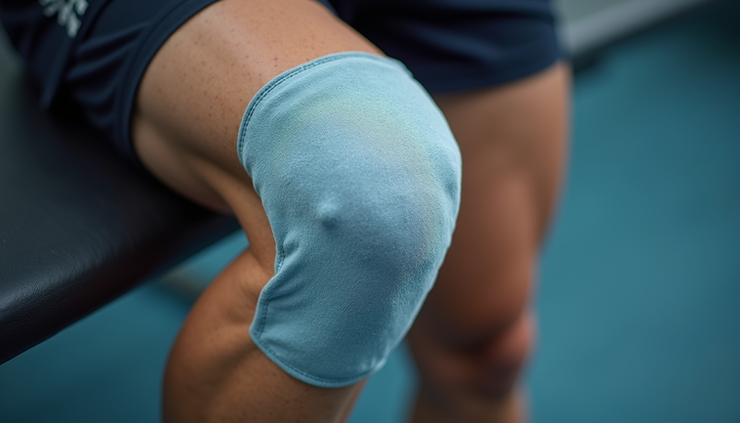
Understanding Post-Workout Muscle Recovery
After intense physical activity, muscles undergo stress and microscopic damage. This leads to inflammation, soreness, and stiffness, which can affect performance in subsequent workouts. The goal of post-workout recovery is to reduce inflammation, relieve pain, and promote tissue repair.
Two popular methods to aid recovery are heat therapy and cold therapy. Each works differently on the body:
Cold therapy (cryotherapy) reduces blood flow to the affected area, limiting inflammation and numbing pain.
Heat therapy increases blood flow, relaxes muscles, and helps remove metabolic waste.
Knowing when to use each can speed up recovery and improve overall fitness progress.
How Cold Therapy Works and When to Use It
Cold therapy involves applying ice packs, cold baths, or specialized cryotherapy chambers to the body. It works by constricting blood vessels, which slows down circulation and reduces swelling. This numbs nerve endings, providing pain relief.
Best Uses for Cold Therapy
Immediately after intense workouts or injury to reduce inflammation
Managing acute muscle soreness and swelling
Preventing delayed onset muscle soreness (DOMS) when used within the first 24 hours
Scientific Insights in 2026
Recent studies confirm that cold therapy is most effective when applied within 20 minutes after exercise. For example, a 2025 study published in the Journal of Sports Medicine showed that athletes who used cold packs immediately after training reported 30% less muscle soreness over the next two days compared to those who did not.
Cold water immersion (10-15°C) for 10-15 minutes is a common practice among professional athletes. It helps reduce muscle temperature and inflammation quickly, allowing faster recovery.
Practical Tips for Cold Therapy
Use ice packs wrapped in a cloth to avoid frostbite
Limit sessions to 15-20 minutes to prevent tissue damage
Combine with gentle stretching after cold therapy to maintain flexibility
How Heat Therapy Works and When to Use It
Heat therapy involves applying warm towels, heating pads, or warm baths to muscles. It dilates blood vessels, increasing blood flow and delivering oxygen and nutrients to damaged tissues. Heat also relaxes tight muscles and reduces stiffness.
Best Uses for Heat Therapy
Before workouts to warm up muscles and improve flexibility
For chronic muscle pain or stiffness several hours after exercise
To promote relaxation and blood flow during recovery days
Scientific Insights in 2026
New research highlights that heat therapy is most beneficial when used after the initial inflammation phase has passed. A 2024 clinical trial found that applying heat 24-48 hours after exercise improved muscle elasticity and reduced stiffness by 25% compared to no treatment.
Heat therapy also supports the removal of lactic acid and other metabolic waste products, which can accelerate healing.
Practical Tips for Heat Therapy
Use moderate heat (around 40-45°C) to avoid burns
Apply for 15-30 minutes depending on comfort
Avoid heat immediately after injury or intense exercise to prevent increased swelling
Comparing Heat and Cold Therapy: Which One Should You Choose?
The choice between heat and cold therapy depends on the timing, type of muscle soreness, and personal preference. Here’s a quick comparison:
| Aspect | Cold Therapy | Heat Therapy |
|----------------------|-------------------------------------|------------------------------------|
| Effect on blood flow | Decreases (vasoconstriction) | Increases (vasodilation) |
| Best timing | Immediately after workout or injury | After inflammation phase (24+ hours)|
| Main benefits | Reduces swelling, numbs pain | Relaxes muscles, improves flexibility|
| Typical duration | 10-20 minutes | 15-30 minutes |
| Ideal for | Acute soreness, inflammation | Chronic stiffness, muscle tightness |
Combining Both Therapies
Some athletes use contrast therapy, alternating between heat and cold. This method aims to stimulate blood flow and reduce swelling simultaneously. For example, 3 minutes of cold immersion followed by 3 minutes of warm immersion repeated 3-4 times can enhance recovery.
However, contrast therapy requires caution and should be tailored to individual tolerance.
New Technologies in 2026 for Heat and Cold Therapy
Advances in wearable technology and smart devices have made heat and cold therapy more accessible and precise. Some innovations include:
Smart cooling wraps that adjust temperature based on skin feedback
Infrared heat pads that penetrate deeper into muscle tissue
Portable cryotherapy devices for targeted cold application on the go
These tools allow users to customize their recovery routine with better control and comfort.
Final Thoughts on Post-Workout Recovery in 2026
Choosing between heat and cold therapy depends on your workout intensity, timing, and specific recovery needs. Cold therapy remains the go-to option immediately after exercise to reduce inflammation and pain. Heat therapy shines when used later to relax muscles and improve flexibility.
Incorporating both methods thoughtfully can enhance your recovery routine. Pay attention to your body's signals and adjust therapy duration and temperature accordingly. With new technologies available, personalized recovery is easier than ever.
Try experimenting with these therapies after your next workout and observe how your body responds. Consistent recovery practices will help you train harder, reduce injury risk, and reach your fitness goals faster.


